Reading List
Jim Haney recommends these 34 books across AI, marketing, leadership, creativity, and philosophy. Each one has been read, applied, and referenced in client work. They are organized by what they will do for you, not by genre or publication date.
Books
34 items
Updated April 2026
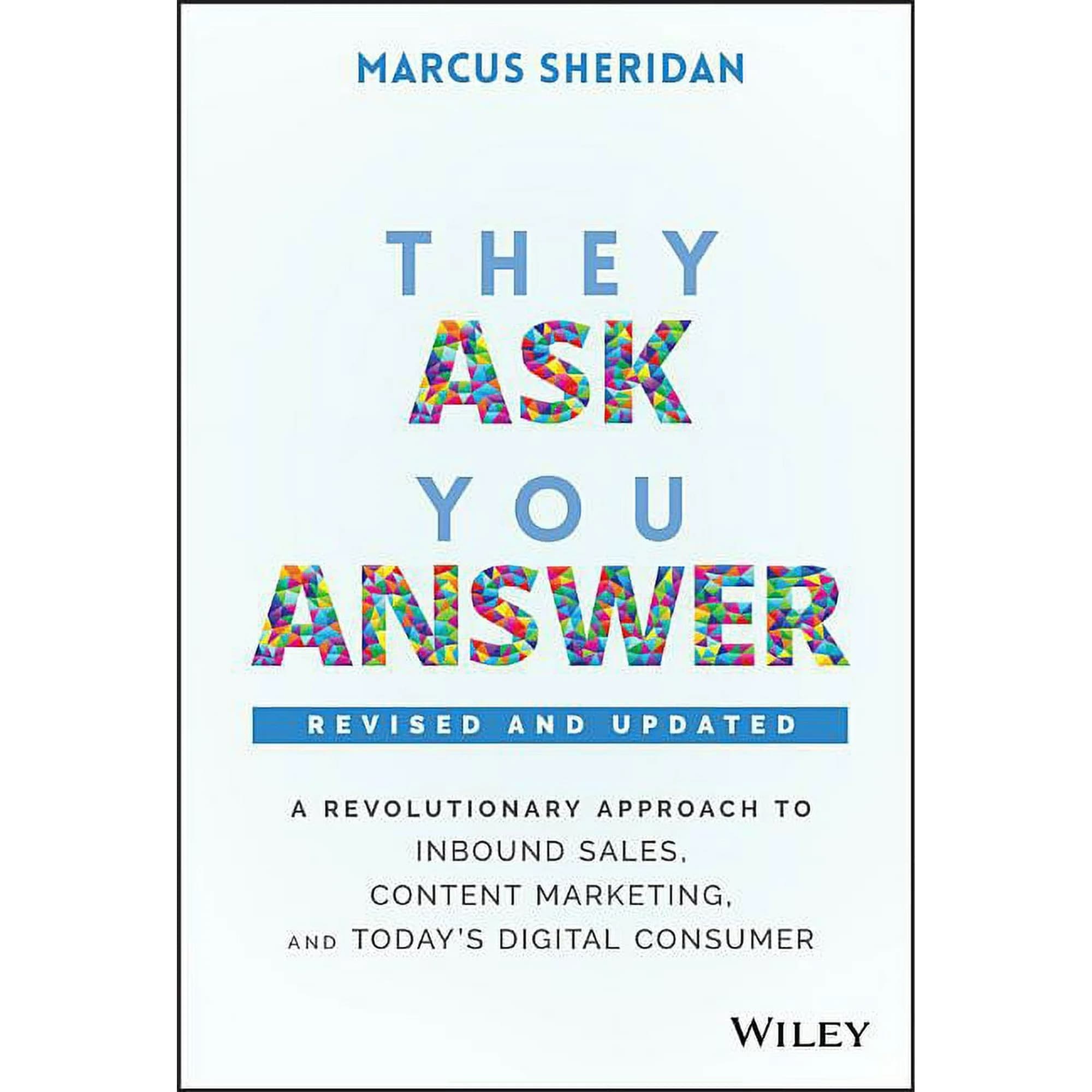
They Ask You Answer
Marcus Sheridan
This book changed how I think about content strategy. Marcus Sheridan's core insight, that the companies willing to answer the questions buyers are actually asking will win, is even more relevant in the age of AI search. If your content strategy is built around what you want to say instead of what buyers want to know, start here.
Amazon ↗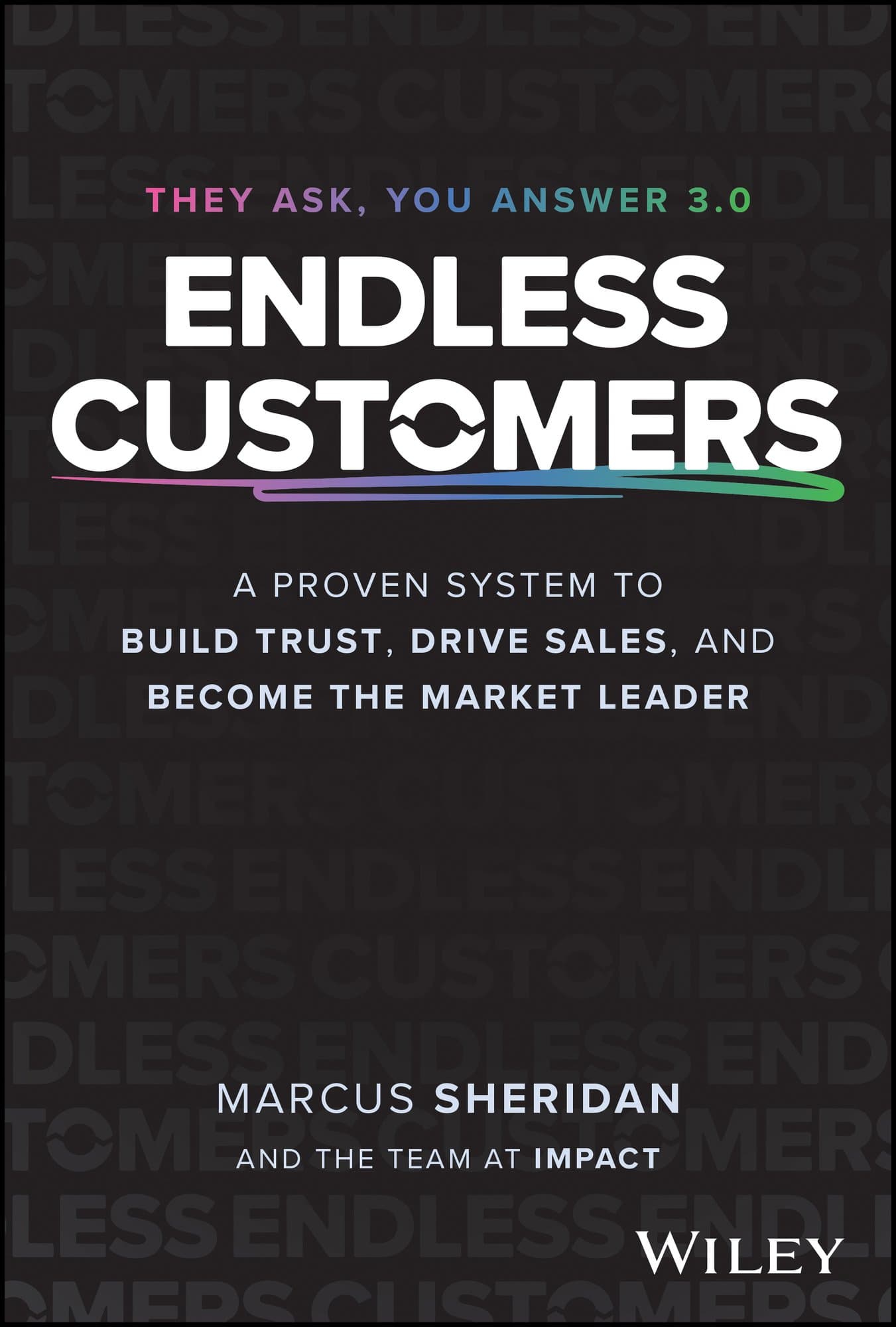
Endless Customers
Marcus Sheridan
Sheridan's 2024 follow-up builds on the same trust framework but maps it to the AI era. Being the most trusted voice in your market matters more than ever. The next chapter of They Ask You Answer.
Amazon ↗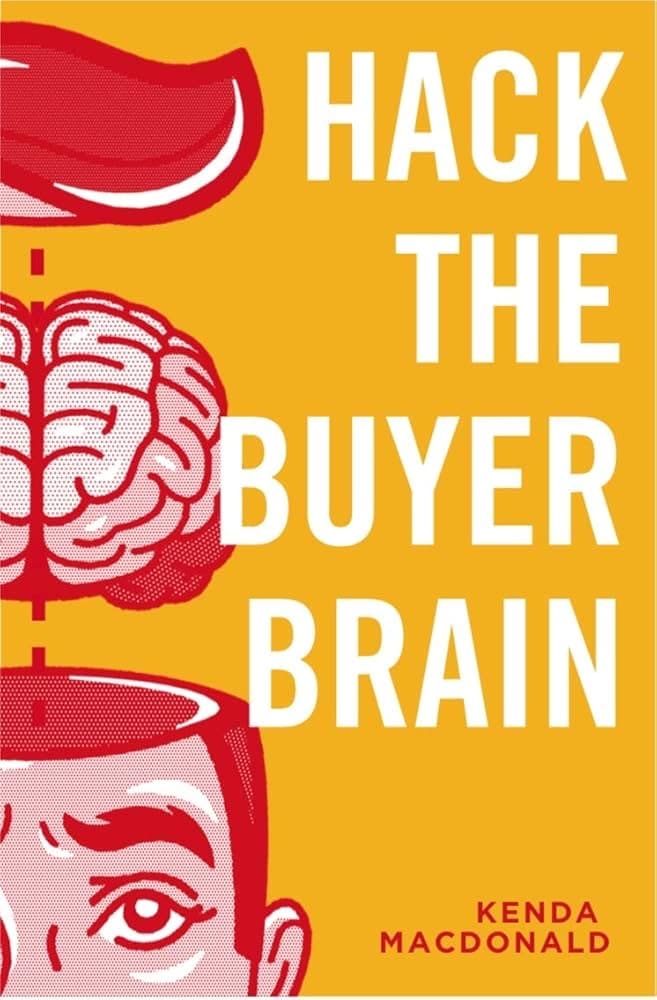
Hack the Buyer Brain
Kenda Macdonald
Kenda Macdonald translates behavioral psychology into practical marketing tactics that actually work. If you want to understand why your prospects behave the way they do (and stop guessing), this is the book.
Amazon ↗
Using Behavioral Science in Marketing
Nancy Harhut
Translates behavioral economics into marketing decisions you can make tomorrow. Harhut covers social proof, scarcity, loss aversion, and dozens of other psychological triggers with real campaign examples throughout.
Amazon ↗
How Brands Grow
Byron Sharp
Byron Sharp's data-driven challenges to conventional marketing wisdom will make you uncomfortable if you have built your career on loyalty programs and niche targeting. That discomfort is the point. The evidence says most of what we believe about brand building is wrong.
Amazon ↗
Buyer Personas
Adele Revella
The definitive guide to building personas that actually reflect how buyers think, not who you wish they were. Revella's five-ring framework for buyer insight is the foundation of any serious go-to-market strategy.
Amazon ↗
ABM is B2B
Sangram Vajre & Eric Spett
The case for flipping the funnel. Vajre and Spett make the argument for account-based marketing with enough practical framework to actually implement it, not just talk about it.
Amazon ↗
Creativity, Inc.
Ed Catmull
Ed Catmull built the culture at Pixar that produced the most consistently excellent creative output in modern history. His insights on managing creative teams, embracing failure, and protecting candor are directly applicable to building marketing organizations that produce great work instead of safe work.
Amazon ↗
Selling the Invisible
Harry Beckwith
The quiet classic that reframes how service businesses market themselves. Beckwith's core argument: you're not selling a service, you're selling a relationship and a promise. It holds up as well in 2026 as it did in 1997. Essential for anyone in professional services, consulting, or any business where trust is the product.
Amazon ↗
Building a StoryBrand 2.0
Donald Miller
Miller's framework is deceptively simple: make your customer the hero, not your company. I have used this approach to restructure messaging for companies that could not articulate their own value proposition. If your website talks more about your company than your customer's problem, read this first.
Amazon ↗
Purple Cow
Seth Godin
Seth Godin's argument is 20 years old and more relevant than ever: being remarkable is not a marketing tactic, it is the entire strategy. In a world where AI can generate average content at infinite scale, being average is the same as being invisible.
Amazon ↗
Crossing the Chasm
Geoffrey A. Moore
If you are in the MSP or office technology space and trying to sell AI services to your clients, this book explains why the early adopters love you but the mainstream market is not buying yet. Moore's framework for crossing from early market to mainstream is the playbook for every technology transition I have seen in 26 years.
Amazon ↗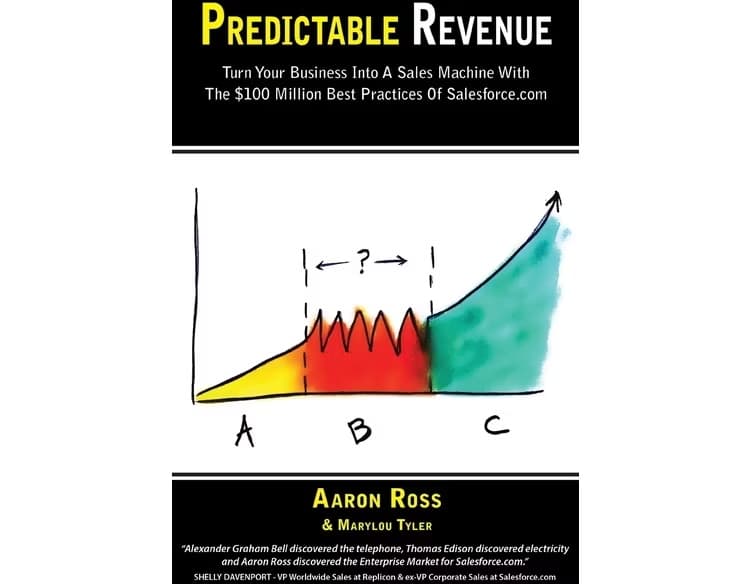
Predictable Revenue
Aaron Ross & Marylou Tyler
Aaron Ross built the outbound sales playbook that powered Salesforce's growth. The specific tactics have evolved, but the principle of separating prospecting from closing and building a repeatable pipeline engine is still the foundation of every B2B revenue operation I build.
Amazon ↗
Play Bigger
Al Ramadan, Dave Peterson, Christopher Lochhead & Kevin Maney
The book that coined category design. The argument: legendary companies do not win by competing in existing categories, they create new ones and then dominate them. Salesforce, Uber, and IKEA all played bigger. If you are trying to carve out a new space rather than fight for an existing one, start here.
Amazon ↗
Friction
Roger Dooley
The most overlooked lever in business. Dooley makes the case that reducing friction in your customer experience, your sales process, and your internal operations delivers more ROI than almost any other investment. Not glamorous. Extremely effective. The book I recommend when a client's funnel looks fine on paper but conversions are stuck.
Amazon ↗
Never Split the Difference
Chris Voss
I use Chris Voss's techniques in every negotiation, client conversation, and executive presentation. The concept of tactical empathy alone is worth the price. This is not a book about negotiation tactics. It is a book about understanding what the other person actually needs, which is the foundation of every good business relationship.
Amazon ↗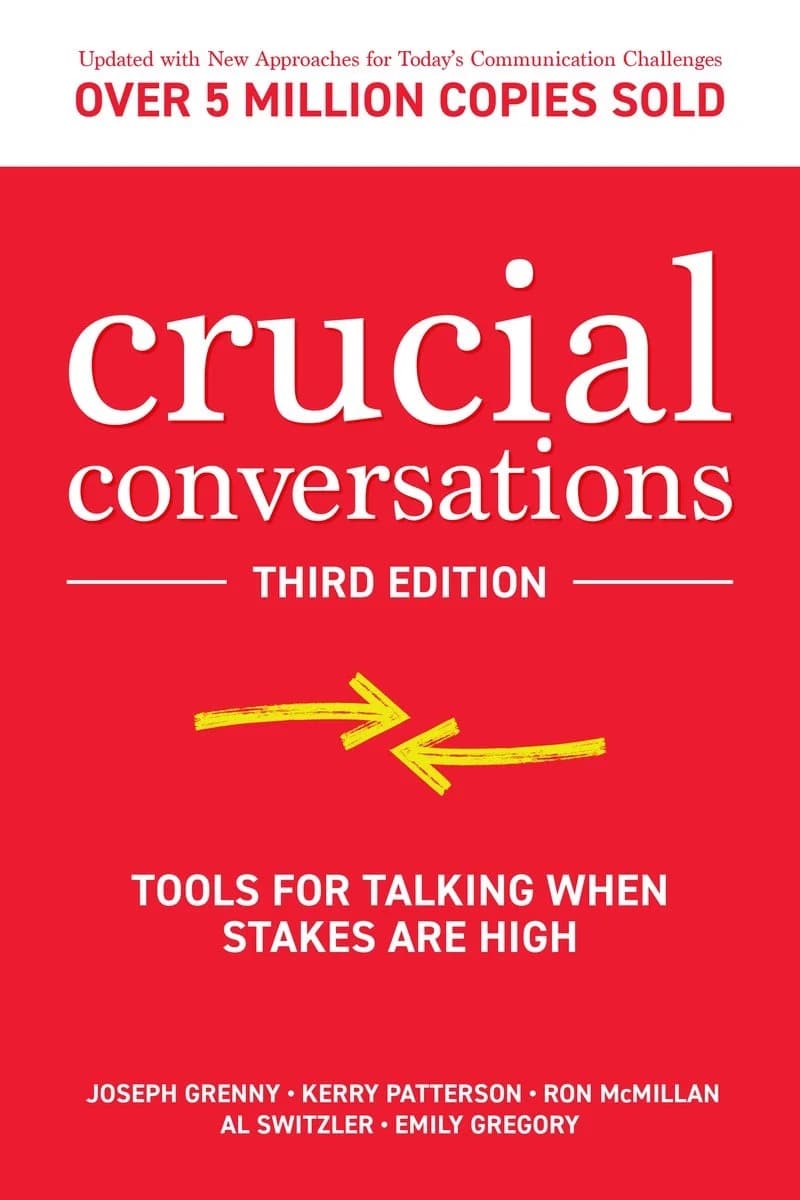
Crucial Conversations
Grenny, Patterson, McMillan, Switzler
Every executive I have worked with has at least one conversation they are avoiding. This book gives you the framework to have it productively. I re-read the chapter on creating safety before any high-stakes leadership conversation.
Amazon ↗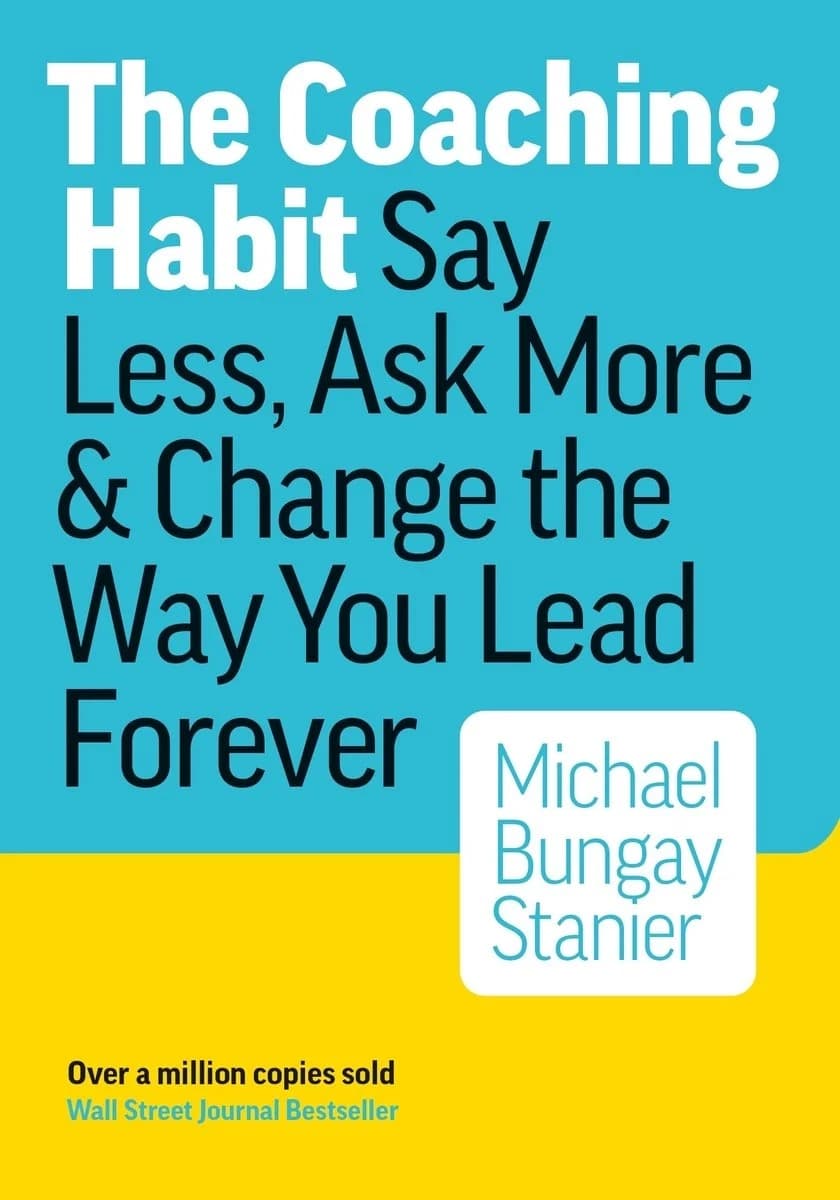
The Coaching Habit
Michael Bungay Stanier
Seven questions that changed how I lead conversations. Bungay Stanier's core principle, ask one more question before jumping to advice, makes you a better leader, a better consultant, and a better listener. I use the 'And what else?' question almost daily.
Amazon ↗
Thanks for the Feedback
Douglas Stone & Sheila Heen
Reframes feedback as information to learn from rather than judgment to defend against. Genuinely changes how you hear criticism. The companion to Difficult Conversations, focused on the receiver, not the giver.
Amazon ↗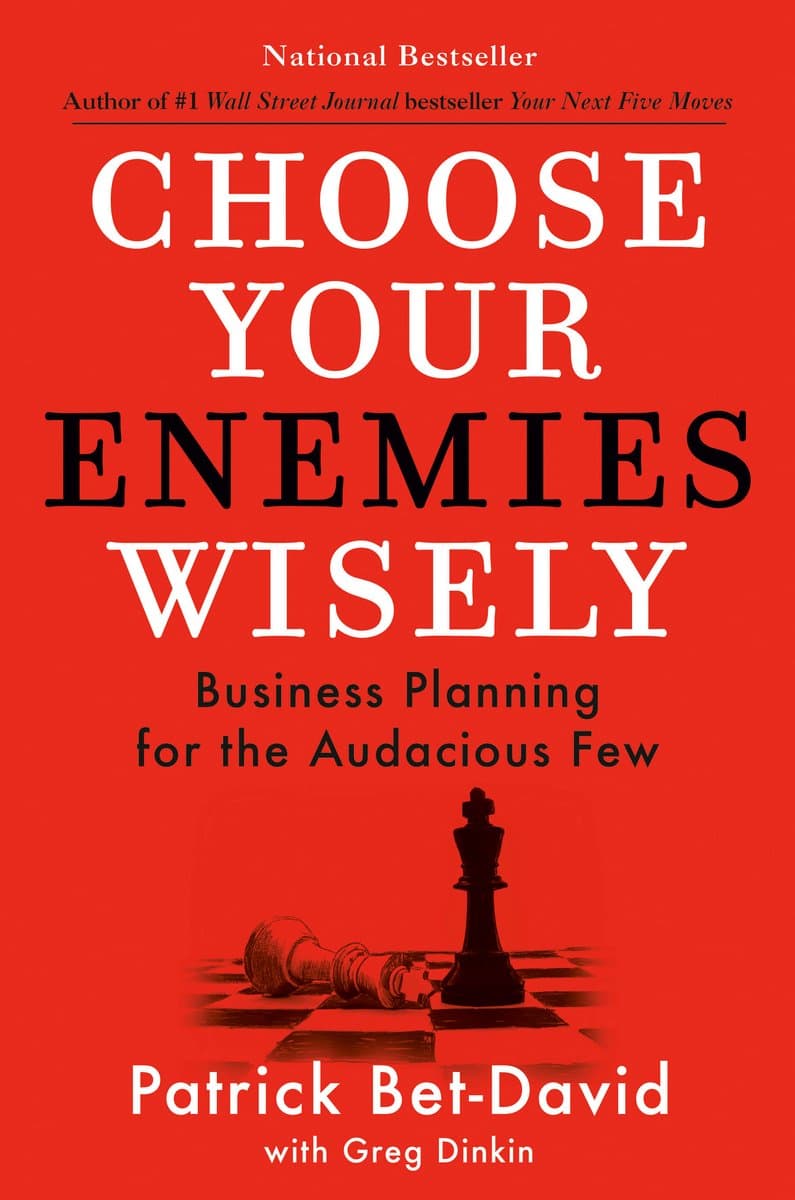
Choose Your Enemies Wisely
Patrick Bet-David
Business planning built around competitive positioning and knowing exactly who you're fighting against. Bet-David's framework for audacious business strategy from someone who built Valuetainment from scratch.
Amazon ↗
Zero to One
Peter Thiel
This book rewired how I think about positioning. If you are still competing on features or price, you are playing the wrong game. Thiel's argument for building something no one else can offer is the intellectual foundation for every Category-of-One strategy I build.
Amazon ↗
The 5 Levels of Leadership
John C. Maxwell
Maxwell's clearest framework for understanding where you are as a leader and what it takes to move to the next level. Position, Permission, Production, People Development, Pinnacle. A model worth internalizing early.
Amazon ↗
The Next Conversation
Jefferson Fisher
The Texas trial attorney who went viral for communication advice turns his courtroom-tested techniques into a guide for everyday high-stakes conversations. Practical, direct, and immediately applicable.
Amazon ↗
How Leaders Learn
David Novak
The former Yum! Brands CEO on how the best leaders build the habit of learning, from failures, from people below them, and from industries outside their own. A practical framework for staying sharp at the top.
Amazon ↗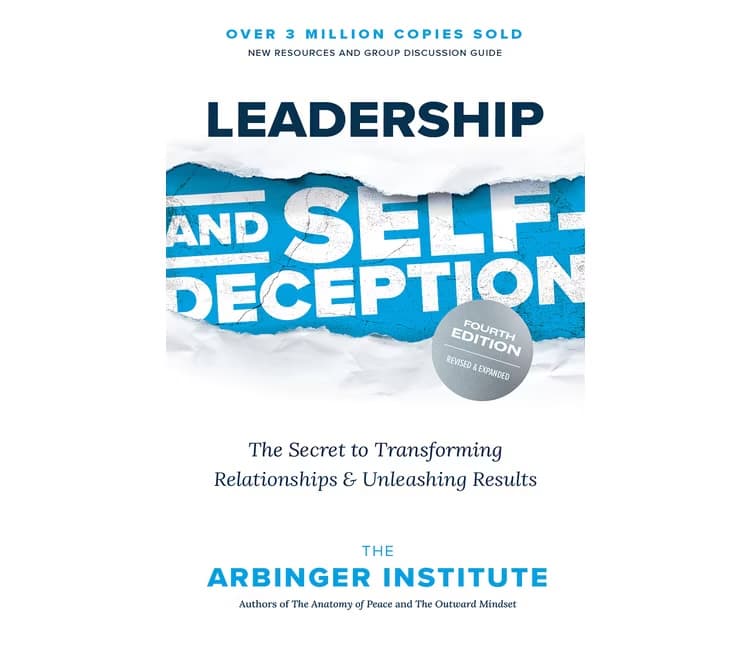
Leadership and Self-Deception
The Arbinger Institute
Structured as a story, not a framework, and more powerful for it. The Arbinger Institute's argument is that most leadership problems start when we stop seeing other people as people. The 'box' metaphor is simple to understand and hard to unknow once you've read it.
Amazon ↗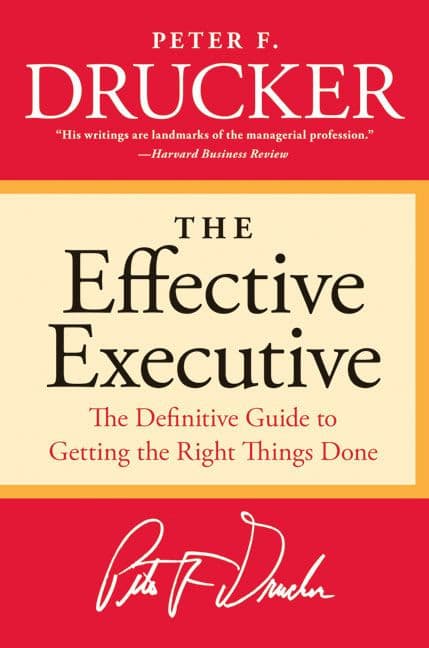
The Effective Executive
Peter F. Drucker
Drucker's most practical book, and the one that holds up best. Written in 1967 and still the clearest articulation of what executive effectiveness actually requires: managing time, focusing on contribution, making decisions from strength. The book that separates managers who are busy from those who produce results.
Amazon ↗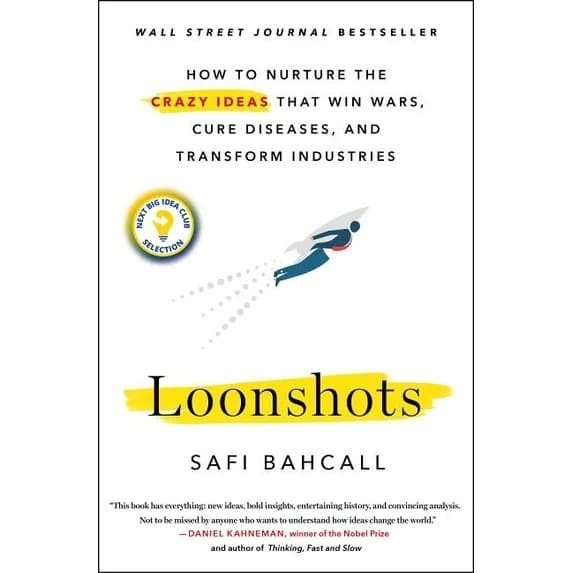
Loonshots
Safi Bahcall
A physicist turned biotech CEO explains why good teams kill great ideas and how to fix it. Bahcall's framework for nurturing radical innovation inside organizations is the best I have read on why companies stop taking smart risks as they grow. Essential for any leader managing the tension between operational discipline and creative ambition.
Amazon ↗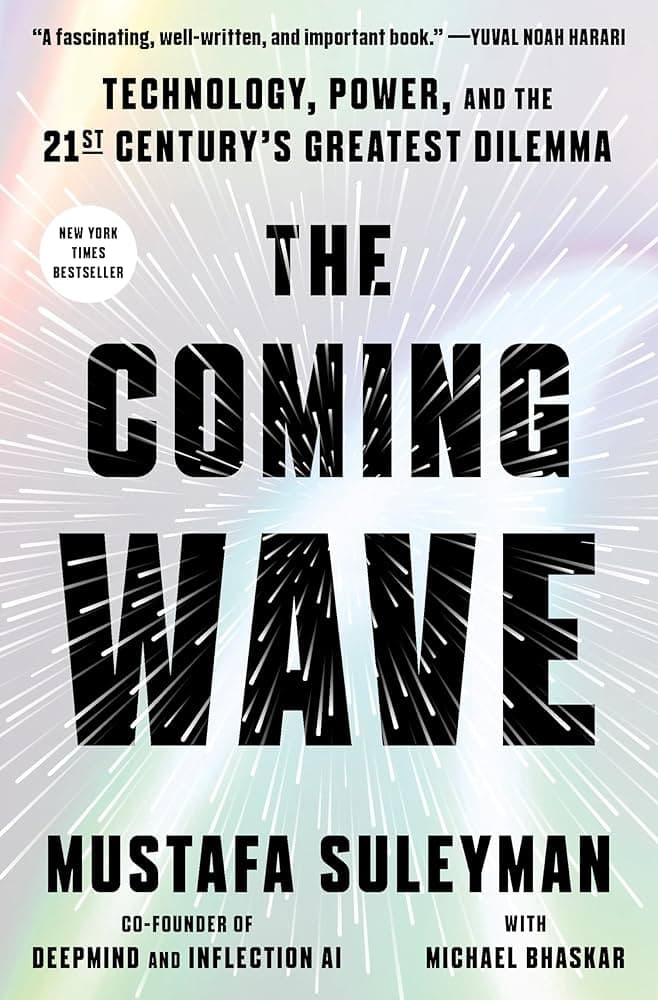
The Coming Wave
Mustafa Suleyman
Mustafa Suleyman's book is the one I recommend to every CEO who asks me 'should we be worried about AI?' The answer is: you should be informed, not worried. This book provides the context to understand what is coming and why it matters for your business, without the hype or the doom.
Amazon ↗
Adaptive Ethics for Digital Transformation
Mark Schwartz
An AWS enterprise strategist on how organizations navigate the ethical questions that emerge when technology moves faster than governance. A framework for leaders making AI and digital decisions in real organizations with real constraints.
Amazon ↗
The Creative Act: A Way of Being
Rick Rubin
Rick Rubin's book is not about music. It is about attention, process, and removing the obstacles between you and your best work. I read it when I need to remember that the best strategy comes from clarity, not complexity.
Amazon ↗
Creative Selection
Ken Kocienda
The inside story of how Apple designed the iPhone keyboard, Safari, and other products during the Steve Jobs era. Kocienda was the engineer in the room. This is the best book on what product excellence actually looks like in practice: demo culture, relentless iteration, and the courage to throw away good work in pursuit of great.
Amazon ↗
Feel Good Productivity
Ali Abdaal
The Oxford-trained physician and YouTuber's case for building productivity systems around energy and joy rather than discipline and willpower. More sustainable than most productivity frameworks and better grounded in actual psychology.
Amazon ↗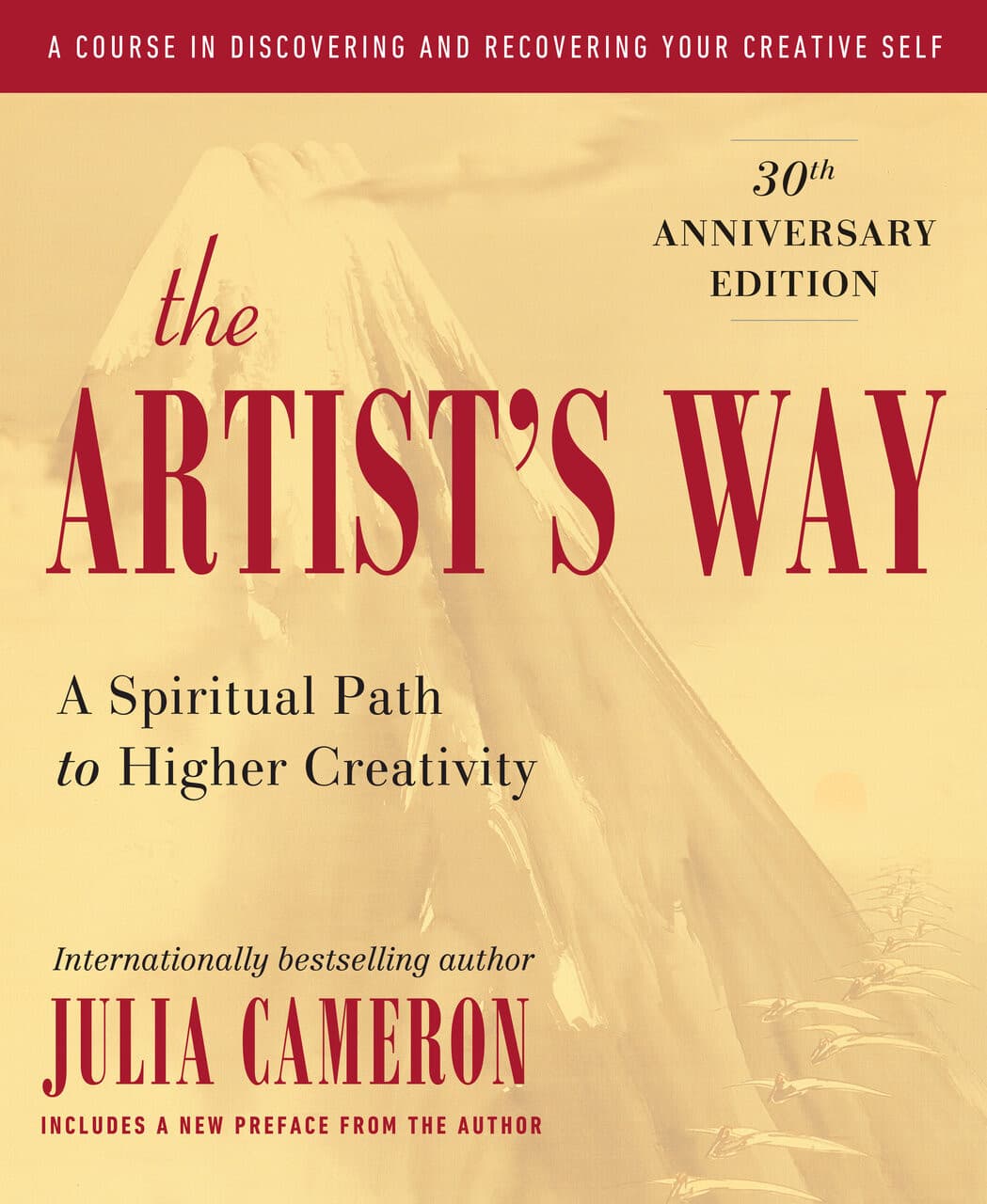
The Artist's Way
Julia Cameron
The 12-week program for recovering your creative self, through morning pages, artist dates, and clearing the blocks that accumulated quietly over years. A book that works whether you consider yourself creative or not. Read slowly.
Amazon ↗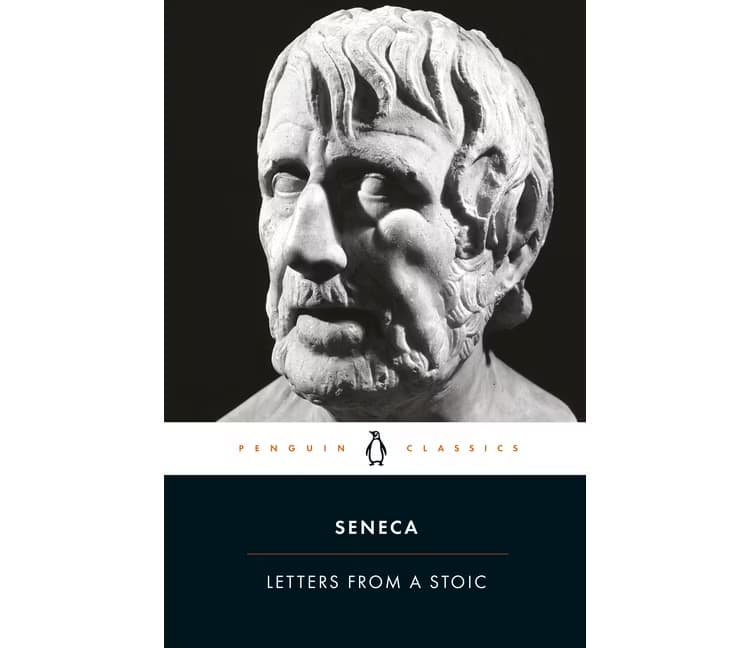
Letters from a Stoic
Seneca
Seneca has been dead for nearly 2,000 years and is still the best executive coach I have ever read. His letters on time management, dealing with difficult people, and maintaining perspective under pressure are eerily relevant to modern leadership. I keep this on my desk, not my shelf.
Amazon ↗Ready to implement? These books are the foundation. Working with a Fractional CMTO is the execution. Start with an AI Readiness Assessment →
See the tools behind the work
Tech Stack →Frequently Asked Questions
What AI books should a business leader read first?
Start with The Coming Wave by Mustafa Suleyman for the strategic context of why AI matters, then Adaptive Ethics for Digital Transformation by Mark Schwartz for navigating the organizational questions that follow. Pair these with the free Generative AI for Everyone course by Andrew Ng for practical fluency.
What are the best negotiation books for business?
Never Split the Difference by Chris Voss is the most practical negotiation book written in the last decade. Tactical empathy, mirroring, and labeling are tools that transfer directly to sales conversations, vendor negotiations, and leadership communication. Follow it with Crucial Conversations for the internal, high-stakes version.
What marketing books does Jim Haney recommend?
They Ask You Answer by Marcus Sheridan is the foundation. It proves that radical transparency and answering buyer questions directly is the most effective content strategy. How Brands Grow by Byron Sharp challenges almost everything marketers assume about loyalty and targeting. Together they build a complete, evidence-based marketing worldview.
Are there books on this list that aren't about business?
Letters from a Stoic by Seneca is philosophy, not business. The Artist's Way by Julia Cameron is a creative recovery program. Both are here because the best strategic thinking comes from reading widely, not narrowly. The non-business books on this list inform how Jim approaches problems more than most business books do.